What Is Solar Energy and How Does It Work?
Learn what solar energy is, how solar panels convert sunlight into electricity, and why solar power is becoming a popular choice for homes, businesses, and industries across India.
Introduction to Solar Energy
Solar energy is one of the most practical renewable energy sources available today. It uses sunlight to generate electricity, helping homes, businesses, and industries meet their energy requirements. With increasing electricity costs and growing awareness of clean energy, solar power has become an attractive option for many Indian households and businesses.
In Rajasthan, where sunlight is available for much of the year, solar energy offers significant potential for residential, commercial, industrial, and agricultural applications.
How Does Solar Energy Work?
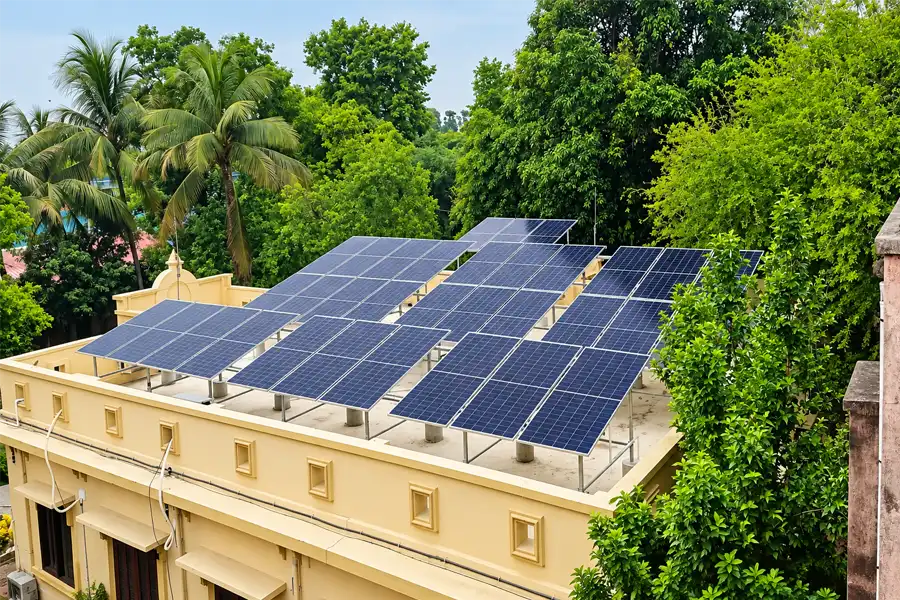
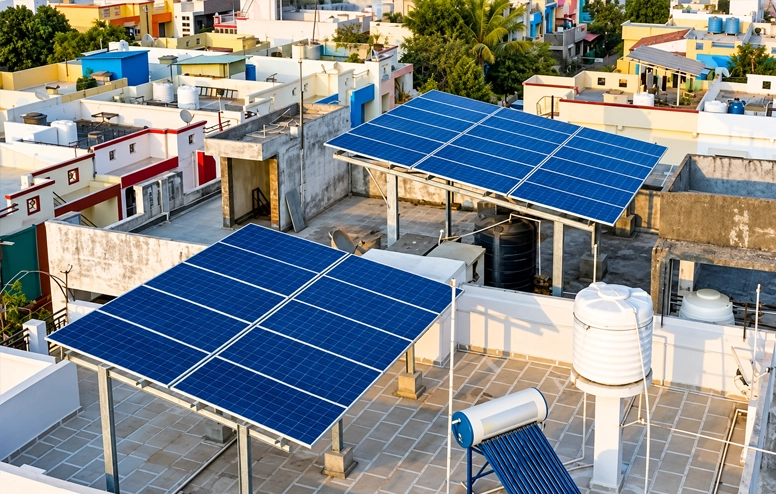
A solar power system uses photovoltaic (PV) panels to convert sunlight into electrical energy. When sunlight falls on the solar cells, they generate direct current (DC) electricity. An inverter converts this electricity into alternating current (AC), which can power common electrical appliances.
Depending on the system design, excess electricity may be exported to the electricity grid, stored in batteries, or managed according to the system's configuration.
Benefits of Solar Energy
- Lower electricity bills: Generate electricity from sunlight and reduce dependence on grid electricity.
- Renewable energy: Solar power uses sunlight, a naturally replenished energy source.
- Reduced environmental impact: Solar electricity can help reduce emissions associated with conventional power generation.
- Energy independence: Generate a portion of your own electricity instead of relying entirely on the grid.
- Long-term value: A properly designed and maintained system can produce electricity for many years.
Types of Solar Power Systems
On-Grid Solar Systems
These systems connect to the electricity grid and are commonly used in homes and businesses. They generally do not provide backup power during a grid outage unless designed with additional backup equipment.
Off-Grid Solar Systems
These systems operate independently of the electricity grid and typically use batteries to store electricity for later use.
Hybrid Solar Systems
Hybrid systems combine grid connectivity with battery storage, depending on the equipment and installation design.
Is Solar Energy Suitable for Your Property?
The right solar system depends on your electricity consumption, available roof space, location, budget, and energy requirements. A professional site assessment can help determine the suitable system capacity and expected performance.
Nexsun Solar provides solar solutions for residential, commercial, industrial, and agricultural requirements. Our team can help assess your property and recommend a system suited to your needs.
Conclusion
Solar energy offers an opportunity to generate cleaner electricity and manage long-term energy expenses. Understanding how solar systems work is the first step towards making an informed investment in renewable energy.
Contact Nexsun Solar to discuss your solar requirements and explore suitable installation options for your property.
Frequently Asked Questions: