
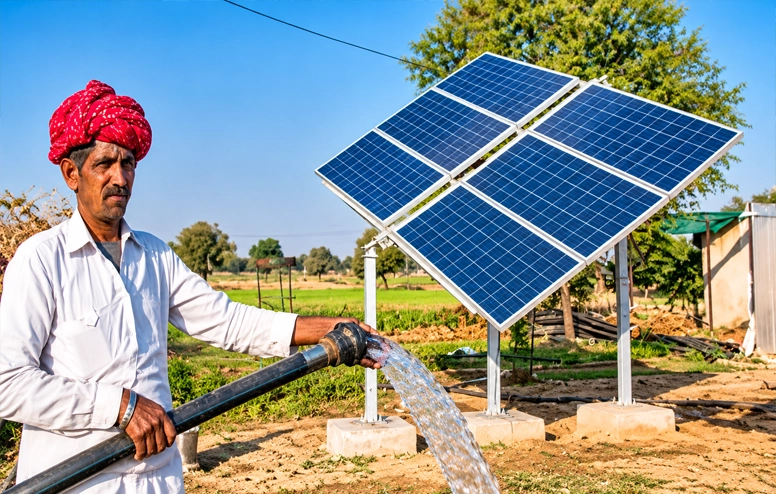
Solar Energy for Farms: Benefits for Rajasthan Farmers
Solar energy can support agricultural operations when sunlight, equipment needs, and site conditions align. Explore solar applications for irrigation and farm facilities, the practical considerations before installation, and the questions farmers should ask when choosing a solar solution.
Solar Energy and Agriculture in Rajasthan
Farming involves several energy requirements, from irrigation and water handling to storage, lighting, and other day-to-day operations. Solar power can be useful for agricultural sites with good sunlight, but the right solution depends on the farm's water requirements, existing equipment, electrical access, and seasonal energy needs.
For farmers in Rajasthan, understanding these factors is an important first step before investing in a solar system.
Where Can Solar Help on a Farm?
Solar-Powered Irrigation
Solar pumps can be an option for farms where the water source, pumping depth, required flow, and daily irrigation schedule suit the equipment. Correct sizing matters: a pump that does not match the water requirement or site conditions may not perform as expected.
Water availability and sustainable extraction should be considered alongside the energy system.
Power for Farm Buildings
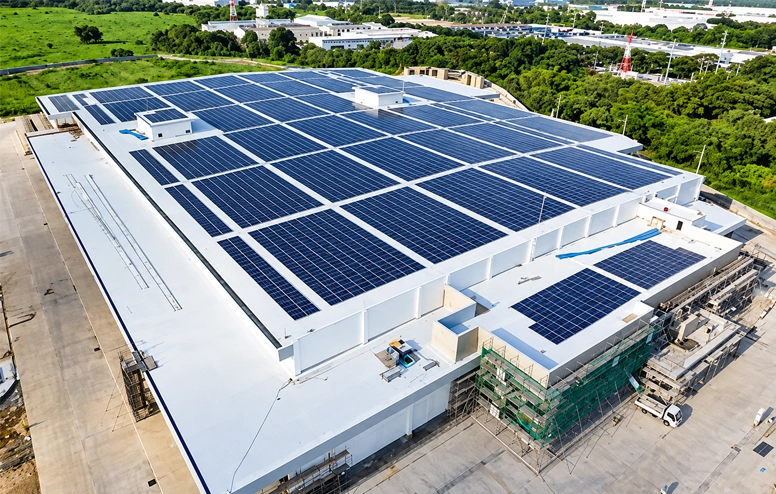
Where a farm has suitable roof or ground space and an appropriate electrical arrangement, a solar system may help supply electricity for selected farm buildings, storage areas, or other daytime loads.
The system design should reflect actual electricity use and the applicable connection requirements.
Reducing Dependence on Purchased Electricity
When solar generation matches the timing of farm energy use, it can reduce the amount of electricity drawn from other sources. The actual savings depend on the system cost, operating conditions, maintenance, and any applicable scheme or tariff arrangements.
What to Check Before Choosing a Solar System
- Water source, pumping depth, required flow, and daily operating hours.
- Seasonal irrigation needs and changes in crop requirements.
- Available sunlight, shade, installation space, and site security.
- Compatibility with existing pumps, pipes, wiring, or electrical equipment.
- Warranty coverage, maintenance access, service availability, and spare parts.
- Current government programme conditions, if you plan to apply for support.
Do Not Size the System by Guesswork
Farm requirements vary widely. A small plot with limited pumping needs has different requirements from a larger farm with a deep borewell or an extended irrigation schedule.
Ask the supplier to document the assumptions behind the proposed pump or system capacity. The proposal should explain expected operation and the conditions that may affect performance.
Maintenance Matters
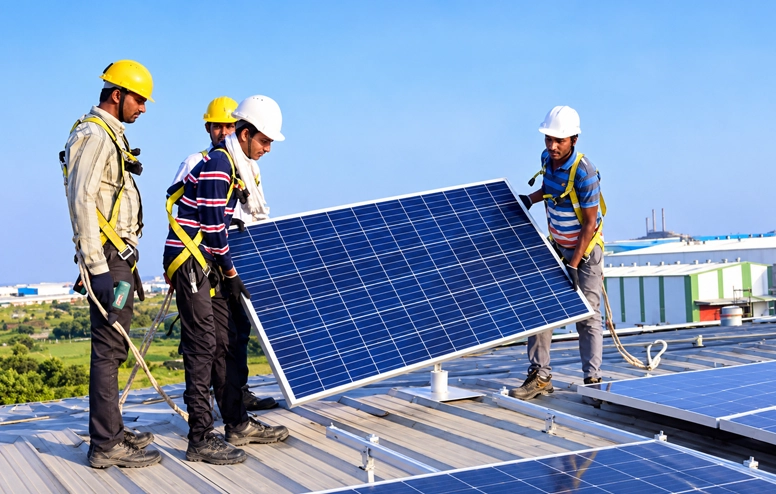
Solar modules need periodic inspection and cleaning according to local dust conditions and the manufacturer's instructions. Pumps, controllers, cables, mounting structures, and safety equipment should also be inspected as recommended.
Keep access clear and arrange repairs through qualified service personnel rather than attempting electrical work without proper training.
Check Subsidy and Scheme Details Carefully
Agricultural solar programmes can have separate eligibility rules, approved equipment requirements, application windows, and implementing agencies. Do not assume that a residential rooftop subsidy applies to a farm pump.
Confirm current details through official government and state-agency sources before making a purchase decision.
Conclusion
Solar can support selected farm energy needs when the system is matched to the site and the work being done. A careful assessment of water demand, equipment, seasonal use, and service access helps farmers choose more confidently.
Nexsun Solar can discuss solar options for agricultural requirements and help identify the information needed for a site assessment.
Frequently Asked Questions: