
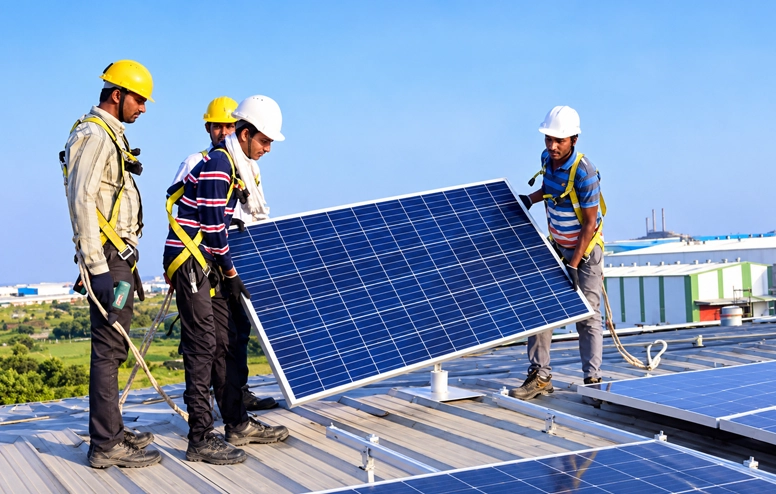
Rooftop Solar Installation: A Step-by-Step Guide
From the first site visit to final commissioning, understand the main stages of a rooftop solar installation. Learn what homeowners and business owners should check at each step, how the system is designed, and why proper installation and maintenance matter.
What Happens During a Rooftop Solar Installation?
Installing solar panels involves more than fixing modules to a roof. The project needs to account for electricity use, roof condition, system design, electrical safety, utility requirements, and future maintenance.
Understanding the main stages helps property owners know what to expect and what to confirm with their installer.
Step 1: Review Electricity Use
The process usually begins with recent electricity bills and a discussion about how the property uses power. Consumption, operating hours, seasonal changes, and plans for additional equipment help determine a suitable system capacity.
The aim is to design around the property's needs rather than choosing a size without supporting information.
Step 2: Conduct a Site Survey
A site survey checks usable roof area, shade, orientation, access, roof condition, and the likely location of electrical equipment. The installer should identify obstacles such as tanks, skylights, vents, and maintenance pathways.
Structural concerns should be reviewed by appropriately qualified professionals before installation proceeds.
Step 3: Prepare the System Design and Quote
The proposal should set out system capacity, panel and inverter specifications, mounting method, wiring, protection devices, estimated generation, and the complete scope of work.
Ask for exclusions to be listed clearly. Expected generation is an estimate and should be based on stated assumptions about the site and system.
Step 4: Complete Required Approvals
Grid-connected installations may require applications, technical approvals, metering arrangements, or other steps set by the local distribution company and applicable rules. The sequence varies by location.
Confirm who will handle each step and do not assume that installation alone completes the grid-connection process.
Step 5: Install the Equipment
The team installs the mounting structure, modules, inverter, cables, isolation and protection equipment, and earthing in accordance with the design and applicable safety requirements.
Work should be planned to protect the roof and maintain safe access. Qualified personnel should handle electrical connections and testing.
Step 6: Test, Commission, and Document
Before the system is handed over, the installer should perform the required checks and explain the monitoring system, shutdown procedures, warranties, and maintenance recommendations.
Keep the final system details, invoices, warranty documents, and any relevant approvals in a safe place.
Step 7: Monitor and Maintain
After commissioning, review system performance periodically. Dust, shading, equipment faults, or changes in electricity use can affect results.
Follow the manufacturer's cleaning and inspection guidance, and arrange professional support if performance changes unexpectedly.
Questions to Ask Your Installer
- What exactly is included in the quoted price?
- Who will manage approvals and meter-related steps?
- What warranties apply to the panels, inverter, and installation work?
- How can I monitor generation and report a fault?
- What maintenance is recommended, and what service support is available?
Conclusion
A well-planned solar installation starts with a clear assessment and finishes with proper testing, documentation, and support.
Nexsun Solar helps customers plan solar projects for homes, businesses, industries, and farms, with system design based on the property's requirements.
Frequently Asked Questions: