Industrial Solar Power: How Factories Can Manage Electricity Costs
Electricity is a significant operating cost for many factories, warehouses, and manufacturing units. Learn how industrial rooftop solar can support daytime energy demand, what businesses should assess before installation, and how to compare solar project proposals for long-term value.
Why Industrial Solar Deserves a Closer Look
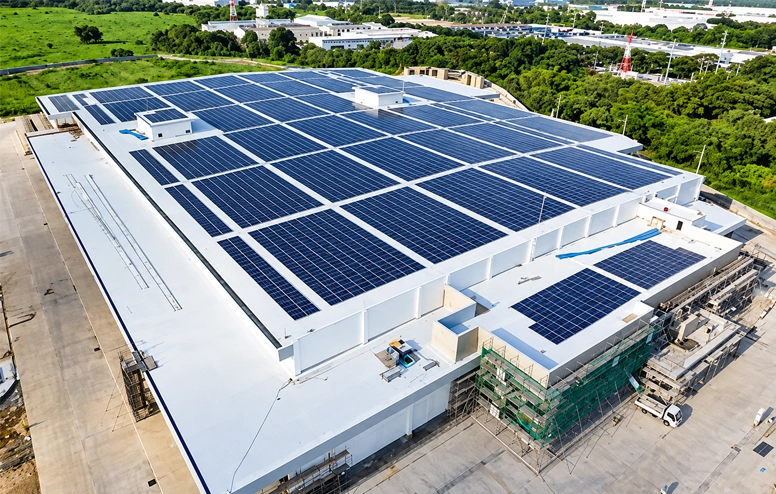
Factories, warehouses, workshops, and processing units often use substantial amounts of electricity for machinery, lighting, ventilation, cooling, and other operations. For facilities with suitable roof space and daytime electricity demand, solar power can help offset a portion of the electricity purchased from the grid.
The value of an industrial solar project depends on the facility's load pattern, electricity tariff, available roof or land, and the technical design of the proposed system.
Start with Your Factory's Energy Profile
Before choosing a system capacity, review electricity bills and, where available, demand or interval data. Identify the hours when equipment operates, seasonal changes in production, and any planned expansion.
Solar generation is generally strongest during daylight. A facility that uses a substantial amount of electricity during these hours may be able to consume a larger share of the power generated by its solar installation.
What Should Be Checked at the Site?
Roof Condition and Available Area
Industrial roofs may have skylights, exhaust systems, water tanks, access paths, or areas that need repair. The roof must be assessed for its suitability for the proposed mounting arrangement and applicable structural and wind-load requirements.
Repairs, safe access, and maintenance pathways should be considered before finalising the panel layout.
Electrical Infrastructure
The design should account for the existing electrical system, connection point, protection equipment, earthing, isolation, and applicable utility requirements. The installer should explain how the solar plant will integrate with the facility and how maintenance or shutdowns will be managed.
Safety and Factory Operations
Installation planning should account for working at height, fire access, equipment movement, maintenance routes, and the facility's production schedule. A good project plan coordinates the installation with plant operations rather than treating the roof as an isolated work area.
How to Compare Industrial Solar Proposals
- Compare the proposed system capacity and estimated annual generation.
- Check the panel, inverter, mounting structure, cable, and protection equipment specifications.
- Review the scope of civil, electrical, grid-connection, and commissioning work.
- Ask about warranties, service arrangements, monitoring, and spare-parts support.
- Request an itemised price and a transparent estimate based on your electricity tariff and usage.
Grid-Connected and Hybrid Solar Systems
A grid-connected system may be suitable when the aim is to offset daytime consumption and the required utility conditions can be met. However, a conventional grid-tied inverter generally shuts down during a grid outage for safety reasons.
Facilities that require backup power should discuss a suitable arrangement separately. Battery storage or other backup equipment adds design and cost considerations and should be sized around the critical loads that need to operate during an outage.
Consider the Complete Project
Industrial solar is an engineering project as well as an energy investment. The proposal should cover site assessment, design, installation sequencing, testing, commissioning, documentation, and post-installation support.
It should also explain any production interruptions expected during electrical work and identify who is responsible for each stage of the project.
Conclusion
For the right industrial site, solar can help reduce grid electricity use and improve control over long-term energy costs. Begin with reliable consumption data, a structural and electrical assessment, and comparable proposals.
Nexsun Solar can help businesses assess their sites and understand the solar options available for their energy requirements.
Frequently Asked Questions: